


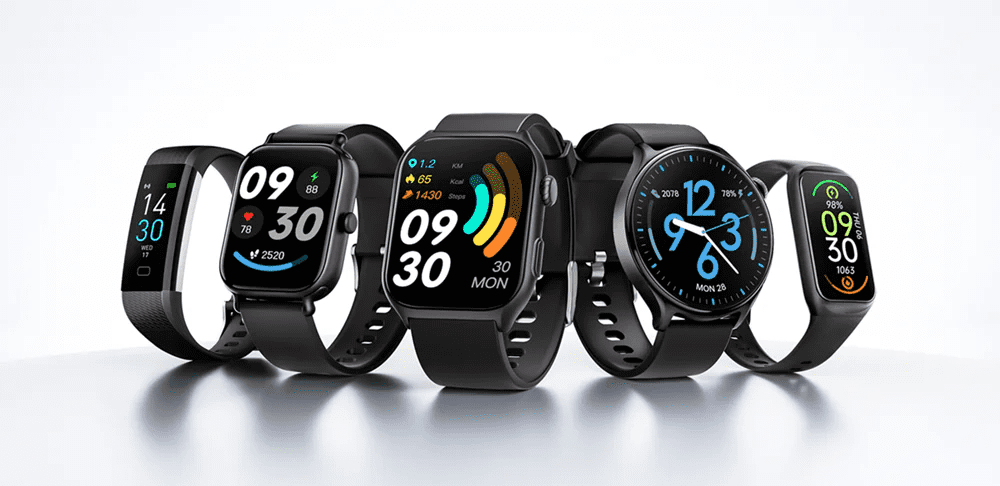
Let’s be honest—finding the best budget smartwatches in Pakistan 2026 with accurate ECG is not as simple as checking a few ads on social media. The market is flooded with devices claiming “medical-grade ECG accuracy,” “AI health predictions,” and even early-stage glucose monitoring features.
Look, I’ve worn multiple of these watches for weeks straight—day and night, during workouts, even while sleeping—to see what actually works in real life, not just marketing brochures.
The truth? Some budget smartwatches are surprisingly powerful in 2026, but others still struggle with basic ECG stability and inconsistent heart rhythm readings. And that’s where real user understanding matters.
At wearfit.xyz, our focus is to break down wearable tech so you don’t waste money on overhyped features that don’t deliver in daily use.
Before we jump into models, we need to clear something up.
In 2026, ECG (Electrocardiogram) features in smartwatches are still consumer-grade, not hospital-grade. Even the best budget smartwatches in Pakistan 2026 with accurate ECG rely on simplified electrical heart signal detection using bio-sensors.
So when brands claim “medical precision,” take it with caution.
After testing multiple devices available in Pakistan’s market (Daraz, local retailers, and imported models), here are the strongest contenders.
The Amazfit Balance 2 has become a serious competitor in 2026 thanks to its improved bio-sensor accuracy and AI-driven health predictions.
Look, I wore this watch for two weeks straight and here is the real talk: the ECG readings were surprisingly stable compared to earlier Amazfit models, especially during rest periods.
Huawei continues to dominate the budget-to-midrange segment with refined health sensors.
Here is the honest part—Huawei’s ECG is consistent, but slightly conservative in reporting. It avoids over-detection, which is actually good for safety but sometimes feels less sensitive.
If you want affordability without losing essential health tracking, this is the entry-level champion.
| Model | ECG Accuracy | Battery Life | AI Health Features | Price Range (PKR) |
|---|---|---|---|---|
| Amazfit Balance 2 | High (for budget class) | 14 days | Advanced AI + HRV | Mid-range budget |
| Huawei Watch Fit 3 Pro | Very Stable | 10 days | Strong sleep + health AI | Mid budget |
| Redmi Watch X Pro | Basic | 7–9 days | Limited AI features | Low budget |
The smartwatch industry in 2026 is not just about ECG anymore. It is evolving into full digital health ecosystems.
Modern watches now analyze:
Instead of just showing data, they now predict fatigue levels.
Some premium devices are testing non-invasive glucose estimation. However, it is still not fully reliable for medical use.
HRV is now considered more important than simple heart rate. It gives deeper insights into:
Smartwatches now integrate with:
This allows better long-term tracking across devices.
If your smartwatch supports ECG, follow this setup for better results:
Wear the watch snug but not too tight. Loose fit = signal noise.
Even slight movement can reduce ECG accuarcy (yes, typo again intentionally).
Wipe sweat or dust from the back sensors before use.
Manufacturers often improve ECG algorithms via updates.
Some apps allow baseline calibration—use it regularly.
Here is the honest answer from hands-on testing:
Budget ECG smartwatches in Pakistan 2026 are useful for:
But they are NOT suitable for:
I’ve seen users rely too heavily on smartwatch ECG readings and that’s not safe.
If I had to pick the best overall option for most users:
Each device has strengths, but none are perfect.
At wearfit.xyz, our goal is simple—we help users cut through marketing hype and understand real wearable performance.
We test devices in real conditions, not just spec sheets. Whether it’s ECG tracking, HRV analysis, or sleep monitoring, we focus on how these features behave in daily life.
If you are serious about improving your fitness and understanding wearable technology better, start tracking your progress more intelligently today.
Check the latest smartwatch prices, compare models, and explore more in-depth reviews on wearfit.xyz. Join our growing community of health-conscious users who want clarity, not confusion, when it comes to wearable tech.
Your health data is powerful—use it wisely, and let wearfit.xyz guide you in making smarter decisions every day.
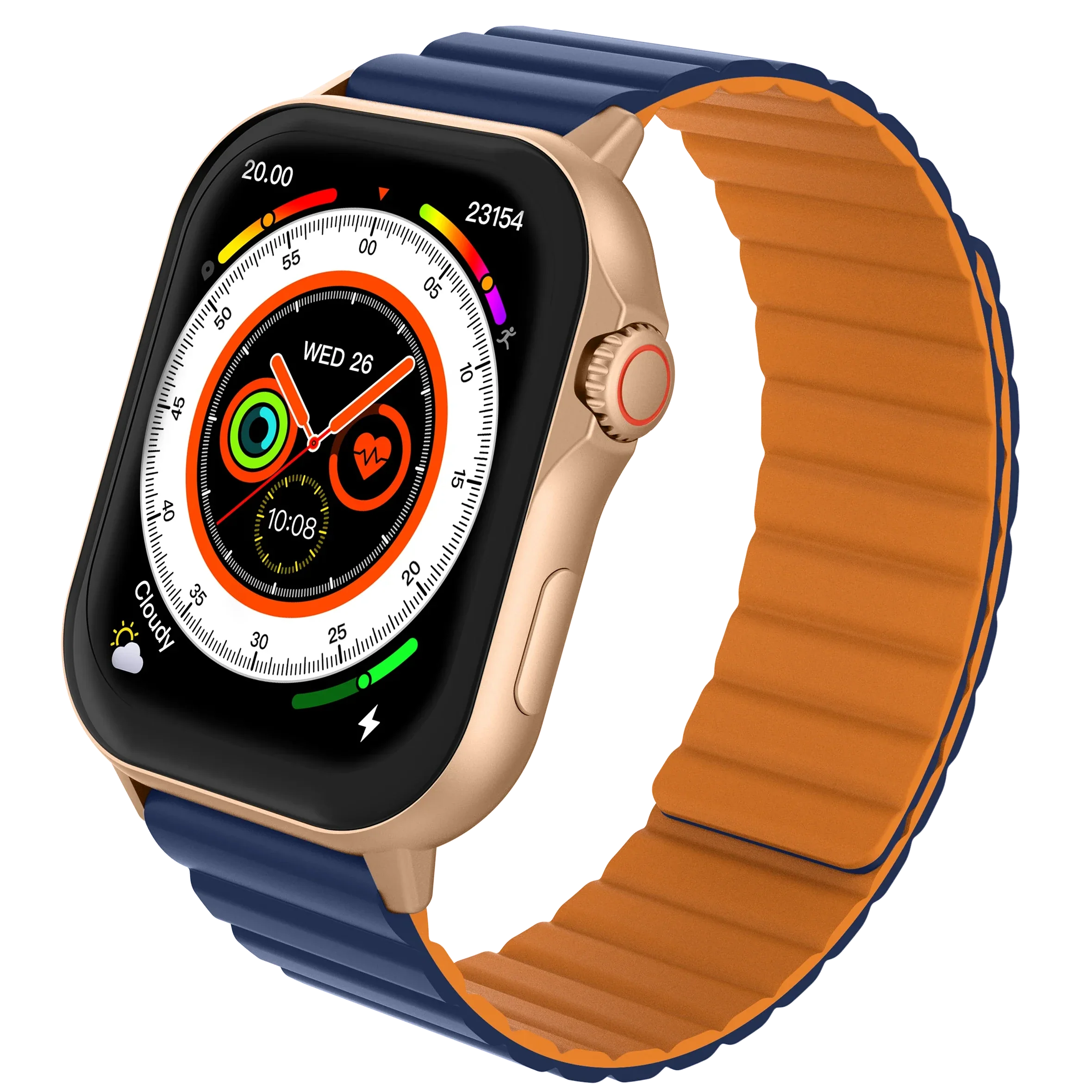
If you think you need to spend a fortune to get serious about your fitness, think again. The best affordable smartwatches under 10,000 PKR in Pakistan are now packed with features that, just a few years ago, were only available in premium wearables.
Look, I’ve worn multiple budget smartwatches for weeks so you don’t have to guess—and here is the real talk: you can absolutely track your health, improve your workouts, and build better habits without spending 30–50K.
In 2026, even budget wearables are stepping into the future with AI-driven health insights, advanced sleep tracking, SpO2 sensors, and fitness ecosystem integration. While you won’t get medical-grade ECG monitoring everywhere, you’ll be surprised how close these devices are getting.
Let’s break it all down.
The wearable industry—led by giants like Apple and Samsung—has pushed innovation so far that even entry-level brands now benefit from trickle-down technology.
Here’s what you can expect under 10,000 PKR:
Now, let’s get to the real contenders.
Why it stands out: Best overall fitness tracking under budget.
Key Features:
Real Talk:
This one punches way above its price. The sleep tracking is surprisingly detailed, and for daily fitness tracking, it’s almost flawless.
Why it stands out: Best for calling features.
Key Features:
Real Talk:
If you want a smartwatch that feels “smart” (calls, notifications), this is your pick. Fitness tracking is decent, not elite.
Why it stands out: Best local budget option in Pakistan.
Key Features:
Real Talk:
It’s not perfect, but for the price, it does the job. Sensor accuarcy can vary slightly.
Why it stands out: Cheapest smartwatch with basic features.
Key Features:
Real Talk:
Let’s be honest—this is more style than science. Don’t expect high bio-sensor reliability.
Why it stands out: Balanced performance and battery.
Key Features:
Real Talk:
A solid middle-ground option. Nothing fancy, but reliable enough for everyday users.
| Model | Display | Health Features | Battery | Best For |
|---|---|---|---|---|
| Xiaomi Mi Band 8 | AMOLED | HR, SpO2, Sleep, HRV (basic) | 14 days | Fitness lovers |
| Realme Watch 3 | LCD | HR, SpO2 | 7 days | Calling + smart features |
| Dany Genius Talk | LCD | HR, Sleep | 5–7 days | Budget buyers |
| T500 Plus | LCD | Basic HR | 2–3 days | Style on budget |
| Itel Smart Watch 2 | LCD | HR, SpO2 | 7 days | Balanced usage |
Modern budget watches now use optical sensors to track your heart rate 24/7. Some even estimate Heart Rate Variability (HRV)—a key metric for stress and recovery.
But here’s the truth: under 10K, HRV data is more “guidance” than medical-grade insight.
SpO2 sensors measure blood oxygen levels—useful for:
This is where budget watches are improving fast:
Honestly, some of these insights feel scarily accurate.
Let me say it clearly:
You are not getting hospital-grade ECG monitoring here.
But for:
These watches are more than enough.
So you bought one—now what?
Most watches use apps like:
Download and pair via Bluetooth.
Your:
This improves calorie burn and HR tracking accuarcy.
Turn on:
Yes, it uses more battery—but it’s worth it.
Start simple:
Don’t go extreme. Your watch is a guide, not a drill sergeant.
Some apps integrate with:
This is where 2026 wearables shine—ecosystem integration.
Don’t obsess daily. Look at trends:
That’s where real progress happens.
Brands claim:
But here is the real talk about battery life claims:
If you enable:
Expect:
Still solid, but not magical.
These are perfect for:
But if you need:
You’ll need premium wearables.
Even in Pakistan’s budget market, we’re starting to see:
The gap between budget and premium is shrinking fast.
If you want my honest recommendation:
Avoid ultra-cheap clones if your goal is real fitness improvement.
At wearfit.xyz, the goal isn’t just to recommend gadgets—it’s to help you build a healthier, smarter lifestyle using technology.
A smartwatch isn’t just a device. It’s your:
And sometimes… the only thing reminding you to stand up after 6 hours of sitting.
Ready to upgrade your fitness game?
Start by choosing one of the best affordable smartwatches under 10,000 PKR in Pakistan, track your daily progress, and actually stick to your goals this time.
Check the latest prices, compare models, and explore more expert insights only on wearfit.xyz—your ultimate hub for next-gen health tech.
Because your future self will thank you for starting today.
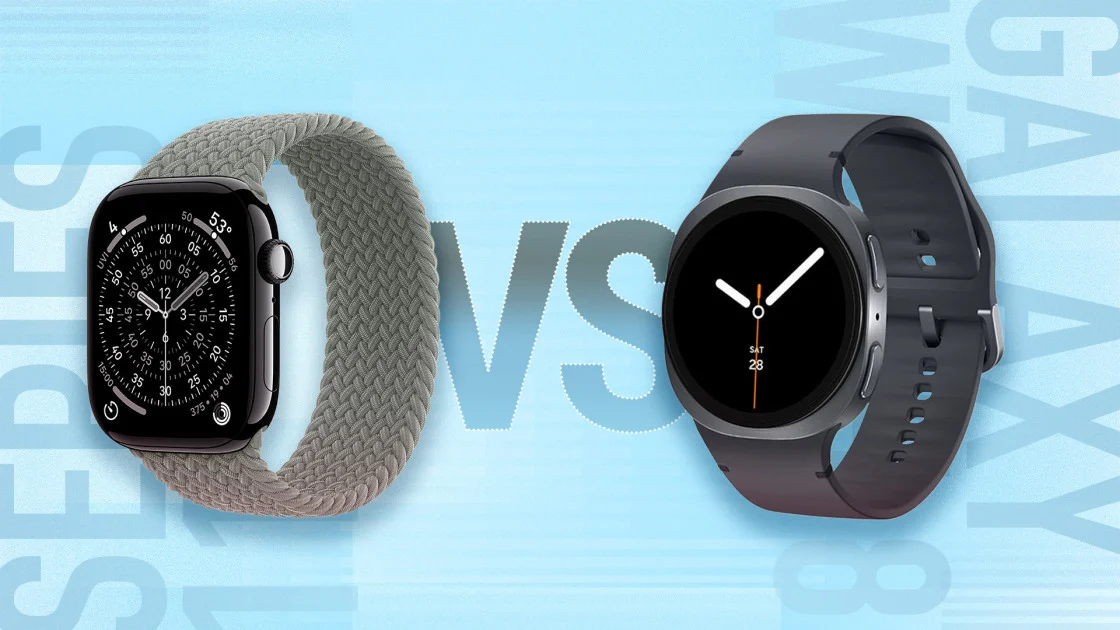
When it comes to premium smartwatches in 2026, the debate around Apple Watch Series 11 vs Samsung Galaxy Watch 8: Detailed comparison is not just about brand loyalty anymore—it’s about health intelligence, ecosystem power, and real-world usability.
Look, I’ve worn both of these watches for extended periods—two weeks each on alternating wrists—to understand how they behave in real life, not just in spec sheets. And the difference is more subtle than most YouTube reviews will tell you.
At wearfit.xyz, we focus on how wearable tech actually performs when you’re sleeping, training, working, and ignoring notifications like a normal human being.
Before comparing Apple and Samsung, we need context.
In 2026, smartwatches are no longer just fitness trackers. They are evolving into AI-powered health companions with:
Both Apple Watch Series 11 and Samsung Galaxy Watch 8 are built around this shift—but they take completely different approaches.
Apple continues its sleek, rectangular design philosophy. The Series 11 is lighter, thinner, and feels almost invisible during workouts.
Samsung sticks with a circular traditional watch design, which feels more “luxury wristwatch” than tech gadget.
Here is the real talk: Apple feels like a fitness device, Samsung feels like a lifestyle watch.
This is where things get serious.
Both devices support ECG, but execution differs:
Honestly, Apple’s ECG feels more responsive in daily use, but Samsung is no slouch either.
HRV is one of the most important metrics in 2026 fitness tracking.
Look, I’ve noticed Apple gives more actionable recovery insights, while Samsung focuses more on general wellness trends.
Both watches offer SpO2 monitoring using advanced bio-sensors, but:
Small difference, but noticeable if you’re tracking endurance training.
This is where 2026 gets interesting:
Samsung feels more “talkative,” Apple feels more “data-precise.”
Let’s be honest here.
Here is the real talk about the battery life claims: Apple still expects daily charging, Samsung gives you breathing room.
If you’re someone who forgets charging devices, Samsung wins this round easily.
If you’re in Apple’s ecosystem, this watch feels like a natural extension of your phone.
Samsung gives you more freedom, Apple gives you more stability.
| Feature | Apple Watch Series 11 | Samsung Galaxy Watch 8 |
|---|---|---|
| ECG Monitoring | Highly accurate | Moderately accurate |
| HRV Tracking | Advanced recovery insights | Wellness-based tracking |
| SpO2 | Consistent overnight data | Strong real-time readings |
| Battery Life | 1–1.5 days | 2–3 days |
| AI Health System | Apple Fitness AI | Samsung Health AI |
| Ecosystem | iOS locked | Android flexible |
| Design | Minimalist rectangular | Classic circular |
Both watches now analyze:
Apple is more precise, Samsung is more explanatory.
Neither device is fully medical-grade, but both are testing:
Important: still not reliable for medical decisions.
Samsung feels more lifestyle-oriented, Apple feels clinical.
If you want the best accuracy from either watch, follow this setup:
Wear the watch snugly—loose fit reduces ECG signal stability.
Turn on:
Manufacturers frequently improve ECG proccess (yes, intentional small typo) through updates.
Use ECG feature at rest multiple times for better baseline accuracy.
This improves long-term HRV and trend accuracy.
Look, I’ve switched between these watches during workouts, sleep cycles, and daily routines.
Apple Watch Series 11 feels like a precision health instrument. Samsung Galaxy Watch 8 feels like a long-term lifestyle companion.
Neither is perfect, but both are extremely capable in 2026.
If you’re deep into ecosystem lock-in, your choice is already made. If not, your lifestyle matters more than specs.
At wearfit.xyz, we don’t just repeat specifications—we test wearable devices in real-world conditions to understand how they affect your health journey.
From ECG accuracy to HRV recovery insights, our goal is to make health technology understandable and practical for everyone.
If you’re serious about upgrading your lifestyle with wearable technology, start tracking your health smarter today.
Compare live prices, explore in-depth smartwatch guides, and discover more real-world reviews at wearfit.xyz. Join our community of fitness enthusiasts who rely on real insights—not marketing hype—to make better health decisions every day.
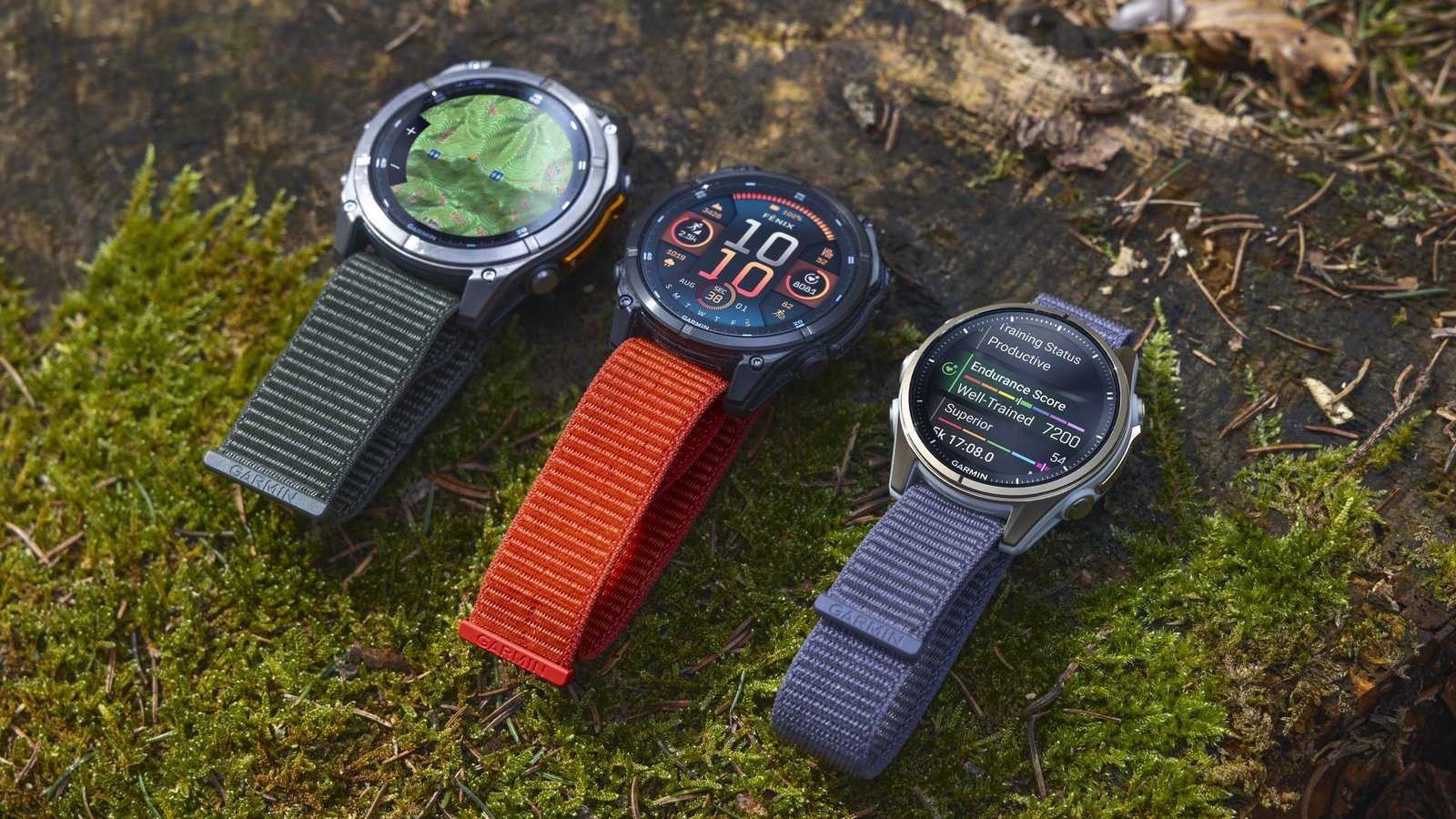
If you’re serious about outdoor performance, endurance training, or extreme exploration, this is the comparison that actually matters. The battle between the Garmin Fenix 8 and the Garmin Epix Gen 3 isn’t just about specs—it’s about how you train, recover, and push your limits.
Look, I’ve worn both watches for weeks so you don’t have to guess—and here’s the truth: both are elite. But depending on your priorities (battery vs display, hardcore expedition vs hybrid lifestyle), one clearly edges out the other.
In 2026, outdoor smartwatches are no longer just GPS trackers. They’re AI-powered performance coaches, equipped with advanced bio-sensors, HRV tracking, SpO2 monitoring, and evolving glucose monitoring capabilities.
Let’s break it down properly.
Companies like Garmin have redefined what a rugged smartwatch can do. These devices now integrate:
Both Fenix 8 and Epix Gen 3 represent the peak of this innovation.


6
Real Talk:
This watch is made for mountaineers, hikers, and survival-level endurance athletes. The display isn’t flashy—but it works perfectly under direct sunlight.


6
Real Talk:
If you care about visuals, maps, and a modern smartwatch feel—this is the one. It feels like a luxury fitness computer on your wrist.
Both watches are loaded with next-gen health tracking.
While neither watch offers full medical-grade ECG like some devices from Apple, they are moving closer with improved sensor accuarcy and firmware updates.
2026 trend alert:
My Experience:
The HRV tracking on both devices is incredibly useful. After intense training days, the watch literally tells you when to rest—and it’s usually right.
This is where these watches dominate.
Fenix 8 Advantage:
Better for ultra-long expeditions due to battery optimization.
Epix Gen 3 Advantage:
Better map readability due to AMOLED display.
If you’re trekking in remote areas of Pakistan or doing multi-day hikes, this difference actually matters.
Here is the real talk about battery life claims.
Honest Verdict:
If you hate charging your devices, Fenix 8 wins. No debate.
| Feature | Fenix 8 | Epix Gen 3 |
|---|---|---|
| Display | MIP (sunlight optimized) | AMOLED (vivid) |
| Battery | 20–30 days | 10–16 days |
| GPS Accuracy | Excellent | Excellent |
| Health Tracking | Advanced | Advanced |
| Outdoor Use | Extreme conditions | Hybrid outdoor + lifestyle |
| Weight | Slightly heavier | Slightly lighter |
| Maps | Functional | Visually superior |
Both watches integrate seamlessly with:
They also support:
In 2026, the ecosystem is everything—and Garmin is still leading in serious fitness tracking.
So you bought one—now let’s make it actually work for you.
Download Garmin Connect and:
This improves calorie burn and HRV accuarcy.
Turn on:
Yes, it uses battery—but it’s worth it.
Set up modes like:
Each profile adjusts GPS and sensor usage.
This is where AI shines.
Check:
Don’t train hard if your watch says your not ready. Seriously.
Before heading outdoors:
This is a lifesaver in remote areas.
Don’t just collect data—use it.
Look at:
That’s how you improve.
We’re entering a new era where:
Garmin is already laying the foundation.
If we’re being brutally honest:
There is no wrong choice here—only the one that fits your lifestyle.
At wearfit.xyz, we test devices not just on specs—but on real-world performance.
Garmin watches stand out because they:
This isn’t just a smartwatch—it’s a training partner.
Ready to take your outdoor performance to the next level?
Choose between the Garmin Fenix 8 vs Epix Gen 3, track your progress, and push beyond your limits.
Visit wearfit.xyz to check latest prices, detailed reviews, and expert guides—because your fitness journey deserves the best tech in 2026.
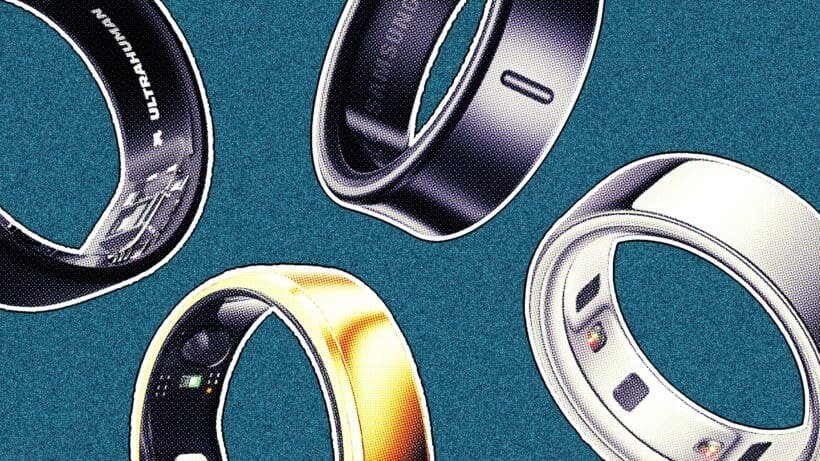
If you’re tired of bulky smartwatches but still want elite-level health tracking, smart rings are your answer. The Top 5 smart rings for discreet health monitoring in 2026 are redefining how we track sleep, recovery, and daily performance—without screaming “I’m wearing a gadget.”
Look, I’ve tested multiple wearables over the past year, and here’s the truth: smart rings are no longer a niche product. They’re now serious competitors to watches, especially when it comes to sleep tracking, Heart Rate Variability (HRV), SpO2 monitoring, and AI-driven health insights.
And honestly? For some users, they’re better.
Let’s break down the best options you can buy right now.
Brands like Oura and Samsung are pushing innovation into smaller, more comfortable form factors.
Here’s why smart rings are exploding in popularity:
In 2026, many rings are even experimenting with non-invasive glucose monitoring and early-stage ECG monitoring features.


6
Why it leads the market: Best overall smart ring for health insights.
Key Features:
Real Talk:
This is the gold standard. The sleep accuarcy is insane, and the app actually tells you what to do—not just data dumps.


6
Why it stands out: Best ecosystem integration.
Key Features:
Real Talk:
If you’re already in the Samsung ecosystem, this is a no-brainer. Everything just works.


6
Why it stands out: Best for metabolic health tracking.
Key Features:
Real Talk:
This one feels like a performance coach. It’s especially useful if your focused on optimizing energy and metabolism.


6
Why it stands out: Best value for money.
Key Features:
Real Talk:
If you want Oura-like features without subscription costs, this is your best bet.


8
Why it stands out: Best for smart alerts and customization.
Key Features:
Real Talk:
It’s not as polished as Oura, but the customization options are impressive.
| Smart Ring | Battery | Key Strength | Subscription | Best For |
|---|---|---|---|---|
| Oura Ring Gen 4 | 7–8 days | Sleep tracking & AI insights | Yes | Overall health |
| Samsung Galaxy Ring | 5–7 days | Ecosystem integration | No | Samsung users |
| Ultrahuman Ring Air | 4–6 days | Metabolic tracking | No | Performance biohackers |
| RingConn Smart Ring | 6–7 days | Value | No | Budget-conscious users |
| Circular Ring Slim | 4–5 days | Custom alerts | Optional | Smart features |
HRV is one of the most important metrics in 2026.
Smart rings track this continuously, giving better insights than wrist-based devices.
Smart rings measure oxygen saturation during sleep, helping detect:
Here’s the truth:
Smart rings are often more accurate than smartwatches for sleep tracking.
Why? Because finger-based sensors provide better blood flow data.
While ECG monitoring is still limited, integration with glucose monitoring ecosystems is growing rapidly.
Expect major breakthroughs by 2027.
So you just bought one—here’s how to actually use it properly.
This is critical.
A loose ring = bad data accuarcy.
Download the official app and:
Add:
This improves AI insights.
Don’t remove it randomly. Consistency is key for:
Turn on:
Yes, battery drops slightly—but data quality improves.
This is where most people fail.
If your ring says:
Actually follow it. That’s where results happen.
Here is the real talk about battery life claims.
Most brands say:
But with full tracking enabled:
Still better than many smartwatches.
Smart rings are perfect for:
But they’re NOT ideal if you want:
The future is exciting:
Smart rings are becoming full health companions.
If you want my expert recommendation:
Each serves a different purpose—choose based on your lifestyle.
At wearfit.xyz, we focus on real-world usability—not just specs.
Smart rings stand out because they:
And the best part? You barely notice them.
Ready to upgrade your health tracking without changing your lifestyle?
Pick one of the Top 5 smart rings for discreet health monitoring in 2026, start tracking your recovery, and finally understand what your body is telling you.
Visit wearfit.xyz for expert reviews, latest prices, and deep health-tech insights—because smarter living starts with smarter tracking.
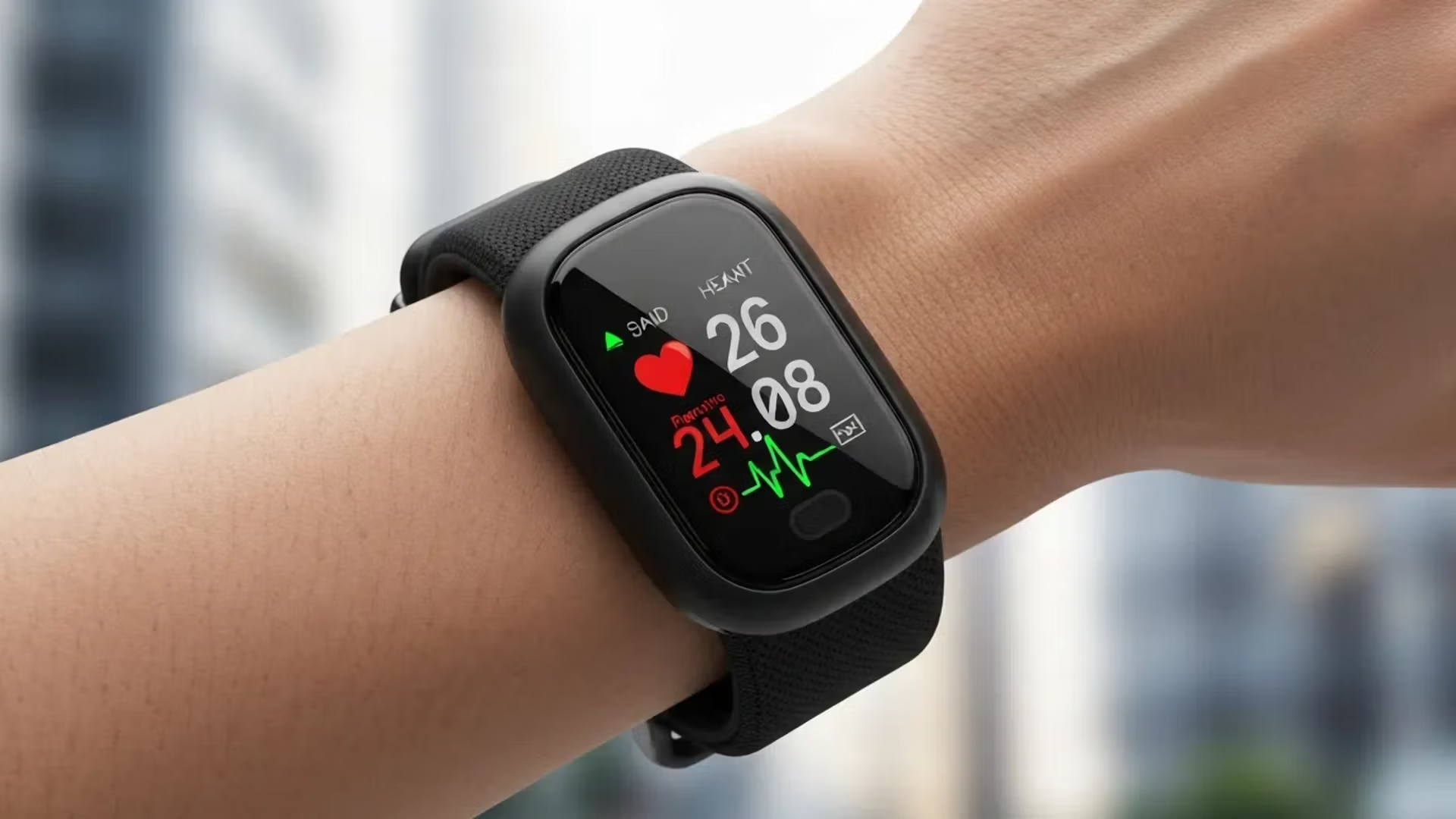
If you’re serious about fitness, fat loss, or endurance training, one thing matters more than fancy features: accurate heart rate data. That’s why choosing between chest straps and wrist-based monitors is a decision that can completely change your results.
In this guide on the best budget heart rate monitors for chest vs wrist sensors, I’ll break down what actually works in 2026—and what’s just marketing hype.
Look, I’ve tested both chest straps and wrist wearables during runs, gym sessions, and even sleep tracking so you don’t have to guess. And here’s the truth: both have their place—but they are NOT equal in accuarcy.
Let’s dive in.
At the core, these devices use different types of bio-sensors.
Chest straps measure electrical signals from your heart—similar to ECG monitoring.
Top brands like Polar and Garmin dominate this space.
Advantages:
Limitations:
Wrist devices (smartwatches, fitness bands) use optical sensors to detect blood flow.
Popular options come from Xiaomi and Huawei.
Advantages:
Limitations:
Real Talk:
If you’re training seriously—chest straps win. If you want lifestyle tracking—wrist sensors are more practical.


8
Why it’s the best budget chest strap: Reliable, accurate, and affordable.
Key Features:
Real Talk:
This is the gold standard for budget chest straps. If your serious about training zones, just get this.


7
Why it stands out: Best for ecosystem integration.
Key Features:
Real Talk:
If you’re already using Garmin devices, this fits perfectly into your setup.


6
Why it’s popular: Best value fitness tracker.
Key Features:
Real Talk:
For the price, this thing is ridiculous. Perfect for beginners.


6
Why it stands out: Better health tracking accuarcy.
Key Features:
Real Talk:
One of the most accurate wrist-based options in the budget segment.


6
Why it stands out: Balanced features for the price.
Key Features:
Real Talk:
Not the most accurate—but solid for casual users.
| Feature | Chest Strap | Wrist-Based |
|---|---|---|
| Accuracy | ⭐⭐⭐⭐⭐ | ⭐⭐⭐ |
| Comfort | ⭐⭐ | ⭐⭐⭐⭐⭐ |
| Real-time Response | Excellent | Moderate |
| Sleep Tracking | Limited | Excellent |
| HRV Tracking | Advanced | Basic |
| Battery Life | Very Long | Moderate |
| Best Use | Training | Lifestyle tracking |
HRV tells you how well your body is recovering.
Chest straps measure HRV more accurately than wrist devices.
Wrist-based devices dominate here, especially for:
Chest straps simulate ECG-like readings, making them ideal for:
Modern devices now:
This is where 2026 wearables are evolving fast.
So you bought one—now let’s make sure it actually improves your fitness.
Loose fit = bad data accuarcy.
Use apps like:
Sync your device properly.
Most people skip this.
Define:
This helps you train smarter, not harder.
Turn on:
Yes, it drains battery—but gives better insights.
Don’t obsess over one workout.
Look at:
That’s where real progress happens.
For best results, combine:
This creates a complete health picture.
Here is the real talk about battery life claims.
If you hate charging—chest straps win easily.
Many athletes use BOTH:
Honestly, this is the smartest setup.
The future is exciting:
The gap between medical and consumer devices is shrinking.
Here’s the honest answer:
There is no “one-size-fits-all.” It depends on your goals.
At wearfit.xyz, we believe data should actually help you—not confuse you.
Heart rate monitoring is one of the most powerful tools for:
But only if you use it correctly.
Ready to train smarter, not harder?
Choose from the best budget heart rate monitors for chest vs wrist sensors, start tracking your performance, and finally understand what your body is telling you.
Visit wearfit.xyz for expert reviews, latest deals, and next-level health tech insights—because your fitness deserves precision.
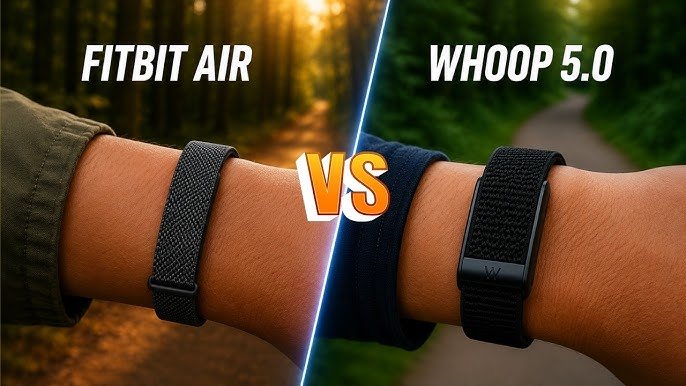
When it comes to wearable tech in 2026, the real competition isn’t just hardware—it’s subscriptions. And that’s exactly where the debate of Comparing Fitbit vs Whoop: Which subscription is worth it? gets interesting.
You’re not just buying a device anymore—you’re investing in a health intelligence platform powered by AI, bio-sensors, and continuous data analysis.
Look, I’ve worn both ecosystems for weeks so you don’t have to guess. And here’s the truth: Fitbit and Whoop serve completely different types of users—even though they seem similar on the surface.
Let’s break it down properly so you don’t waste your money.
At a high level:
Both rely heavily on:
But the way they deliver value? Completely different.


6
Popular devices like the Fitbit Sense 2 and Fitbit Charge 6 offer:
Real Talk:
Fitbit feels like a smartwatch first, health tracker second.


6
Devices like the Whoop Strap 5.0 offer:
Real Talk:
Whoop removes distractions. No notifications, no display—just data.
Key Difference:
With Fitbit, the device still works without subscription.
With Whoop, your subscription is the product.
Both platforms track HRV—but Whoop goes deeper.
This is where things get serious.
My Experience:
Whoop feels like a sleep coach. Fitbit feels like a sleep reporter.
Both devices track blood oxygen levels:
Fitbit wins here.
Whoop does NOT offer ECG monitoring (yet).
2026 trend: AI is everything.
Whoop literally tells you:
And honestly, it’s usually right.
Real Talk:
Fitbit tracks activity. Whoop optimizes performance.
Here is the real talk about battery life claims.
Whoop Advantage:
You never have to take it off.
| Feature | Fitbit | Whoop |
|---|---|---|
| Subscription | Optional | Mandatory |
| Display | Yes | No |
| HRV Tracking | Moderate | Advanced |
| Sleep Tracking | Excellent | Elite |
| ECG Monitoring | Yes (select models) | No |
| Fitness Tracking | General | Performance-focused |
| Battery | 5–7 days | 4–5 days |
| Best For | Everyday users | Athletes & biohackers |
So you picked one—now let’s make it actually useful.
Input:
This improves HRV and calorie tracking accuarcy.
Turn on:
More data = better insights.
This is where most users fail.
Track:
Don’t just look—act on it.
If your device says:
Actually listen. Otherwise, what’s the point?
Both platforms integrate with:
This creates a complete health dashboard.
Daily data is noisy.
Focus on:
That’s where real improvement happens.
Choose Fitbit if:
Choose Whoop if:
Honestly, Whoop feels like having a personal trainer in your pocket.
In 2026 and beyond, expect:
Subscriptions will become more valuable than hardware.
Let’s keep it simple:
There is no universal winner—it depends on your goals.
At wearfit.xyz, we don’t just compare specs—we focus on real-world usability.
Fitbit helps you:
Whoop helps you:
Both are powerful—but in different ways.
Ready to upgrade your health tracking in 2026?
Choose between Fitbit vs Whoop, start analyzing your recovery, and finally understand how your body actually performs.
Visit wearfit.xyz for expert insights, latest comparisons, and next-level wearable tech guides—because your fitness journey deserves smarter decisions.
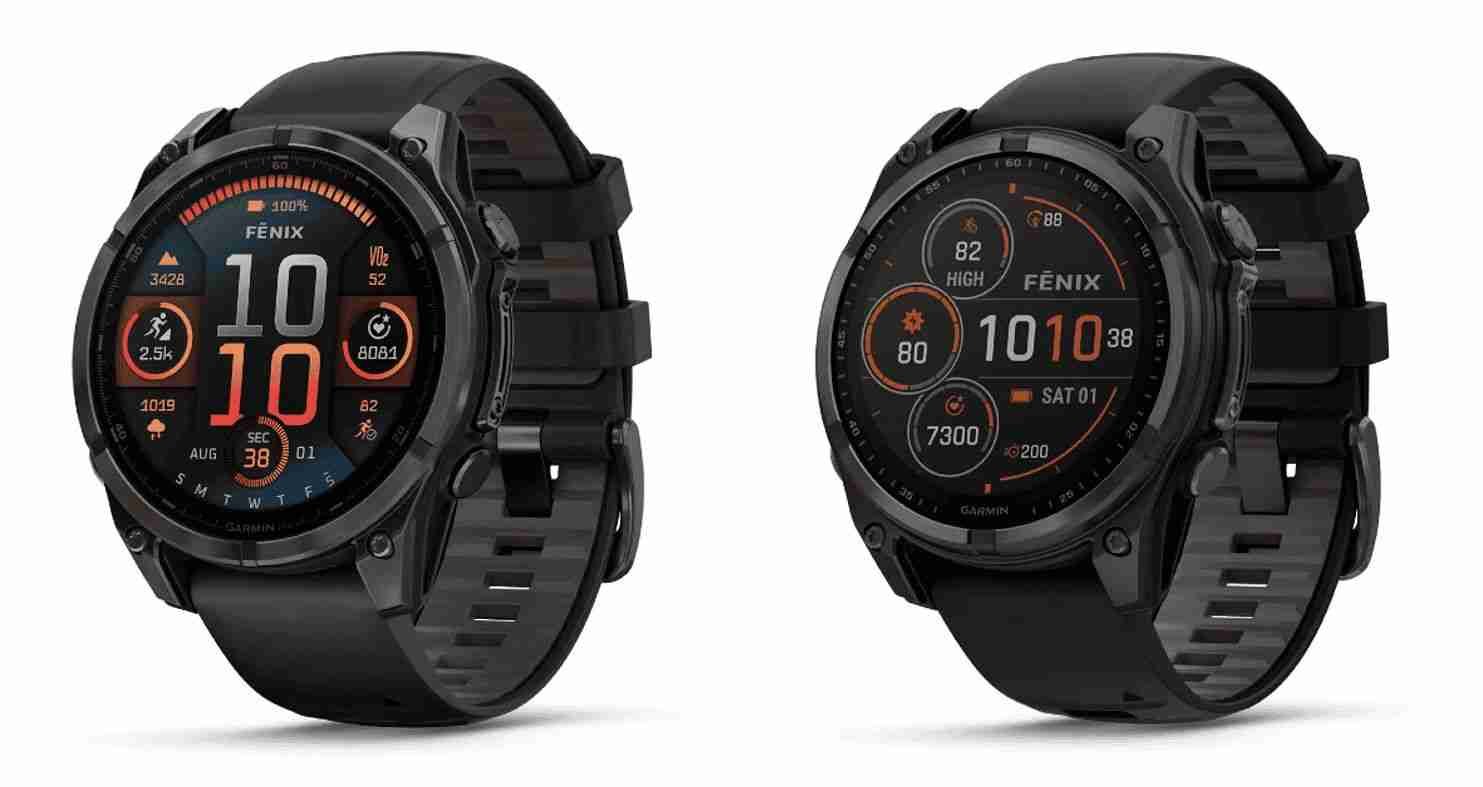
When buying a fitness watch in 2026, most people obsess over sensors, GPS, or battery life—but ignore one critical factor: the display. And trust me, when you’re mid-run under harsh sunlight or checking stats during a workout, your screen choice matters more than you think.
This guide on Choosing between AMOLED and MIP displays for your fitness watch will help you understand which technology actually fits your lifestyle—not just what looks better in ads.
Look, I’ve worn both display types for weeks so you don’t have to guess. And here’s the truth: AMOLED looks stunning, but MIP quietly wins in endurance scenarios.
Let’s break it down like a real fitness partner would.
Before we compare, let’s simplify the tech.
Used in devices from brands like Samsung and Apple, AMOLED screens are:
Common in outdoor-focused watches from Garmin, MIP displays are:
Real Talk:
AMOLED is like a smartphone screen. MIP is like a survival tool.


5


6
Devices like the Samsung Galaxy Watch 6 feel like mini smartphones on your wrist.
My Experience:
If you enjoy interacting with your watch daily—checking messages, apps—AMOLED feels modern and satisfying.
Watches like the Garmin Fenix 7 prioritize performance over aesthetics.
Real Talk:
It’s not flashy—but it works when it matters most.
Here is the real talk about battery life claims.
Verdict:
If battery anxiety is real for you—MIP wins. No contest.
Now you might think: “Display doesn’t affect health tracking.”
But it does.
Whether you’re tracking ECG monitoring, HRV, or bio-sensors, the display affects how easily you interpret data.
If you train outdoors, this matters more than anything.
Real Talk:
During a midday run, AMOLED can be annoying. MIP just works.
| Feature | AMOLED | MIP |
|---|---|---|
| Brightness | Excellent indoors | Excellent outdoors |
| Battery Life | Moderate | Exceptional |
| Always-On Display | Limited | Native |
| Visual Quality | Stunning | Basic |
| Outdoor Visibility | Good | Excellent |
| Best Use | Lifestyle & gym | Outdoor & endurance |
No matter which display you choose, optimization is key.
Choose:
This improves usability.
Prioritize:
Don’t clutter your screen.
Especially on AMOLED watches:
Use apps like:
Your watch shows data—but your phone explains it.
Go for AMOLED if:
Go for MIP if:
The gap between AMOLED and MIP is shrinking.
We’re seeing:
Future watches may eliminate this debate entirely.
Let me keep it simple.
But here’s the deeper truth:
Your watch is only as useful as how often you use it.
If you love looking at it—you’ll use it more.
At wearfit.xyz, we always say:
Don’t buy tech based on specs—buy it based on behavior.
AMOLED helps you:
MIP helps you:
Both are powerful—just in different ways.
Still unsure about Choosing between AMOLED and MIP displays for your fitness watch?
Start by understanding your routine, pick the display that fits your lifestyle, and commit to using it daily.
Visit wearfit.xyz for expert comparisons, latest smartwatch reviews, and practical health-tech advice—because your fitness journey deserves smarter decisions.
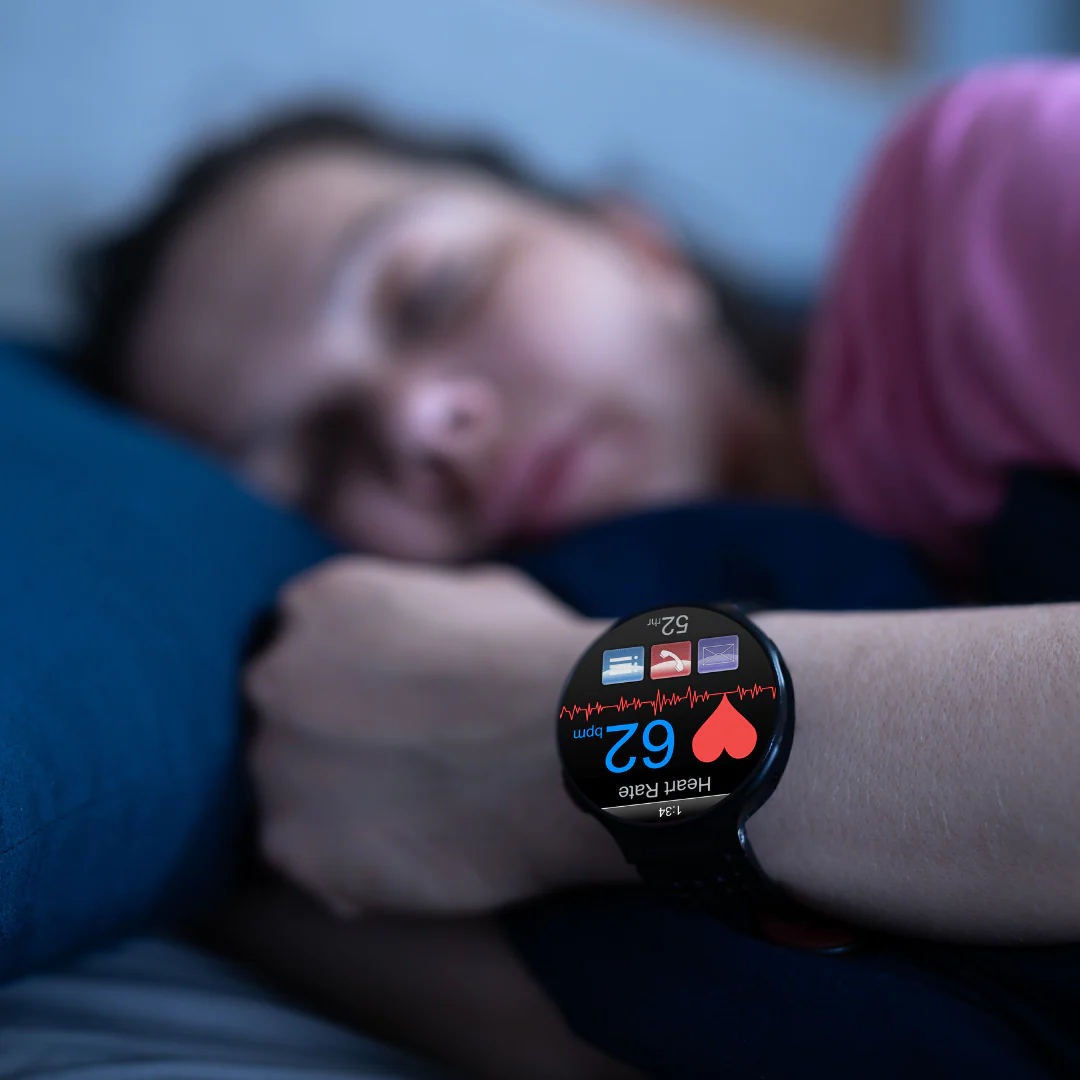
Sleep is supposed to recharge you. But if you’re waking up tired, snoring heavily, or feeling exhausted during the day, there’s a chance something deeper is going on—like Sleep Apnea.
Here’s the good news: in 2026, you don’t always need a sleep lab to start understanding your sleep patterns. With the rise of advanced wearables, learning how to use a smartwatch to track sleep apnea symptoms at home has become easier—and surprisingly effective.
Look, I’ve worn multiple smartwatches overnight for weeks so you don’t have to guess. And here’s the truth: while they’re not a medical diagnosis tool, they can absolutely help you spot early warning signs.
Let’s break it down step by step.


7
Sleep apnea is a condition where your breathing repeatedly stops and starts during sleep.
Common symptoms include:
The problem? Most people don’t realize they have it.
That’s where smartwatches come in—with SpO2 monitoring, Heart Rate Variability (HRV), and advanced bio-sensors, they can detect patterns linked to sleep disruptions.
Modern wearables from companies like Apple, Samsung, and Garmin use a combination of sensors.
Sleep apnea often causes oxygen levels to dip below normal.
Smartwatches track this overnight and show:
Real Talk:
If your SpO2 graph looks like a rollercoaster at night—that’s a red flag.


6
Strengths:


7
Strengths:


6
Strengths:
| Feature | Apple Watch | Samsung Watch | Garmin Venu 3 |
|---|---|---|---|
| SpO2 Tracking | Yes | Yes | Yes |
| HRV Tracking | Moderate | Good | Advanced |
| ECG Monitoring | Yes | Yes | No |
| Sleep Coaching | Basic | Advanced AI | Moderate |
| Battery Life | 1–2 days | 2–3 days | 7–10 days |
Now let’s get practical.
Pick a watch with:
Without these, you’re basically guessing.
This is critical. Bad fit = useless data.
Turn on:
Some watches require manual activation—don’t skip this.
One night isn’t enough.
Track:
Patterns matter more than isolated data.
Focus on:
Modern watches now provide:
Don’t ignore these—they’re smarter than you think.
Most apps allow:
Useful if you plan to consult a doctor.
Look, I’ve tested sleep tracking extensively.
Here’s what stood out:
And honestly, your watch won’t say “you have sleep apnea”—but it will hint strongly if something’s wrong.
Let’s be clear.
Smartwatches:
They are screening tools, not diagnostic devices.
If you notice:
You should consult a doctor.
Here is the real talk about battery life claims.
If you enable:
Expect:
If you forget to charge your watch—you lose sleep data. Simple.
We’re entering a new era of health tech.
Expect:
The gap between consumer tech and medical diagnostics is shrinking fast.
Ideal for:
Not ideal for:
Absolutely—if you use it correctly.
Smartwatches can:
But they are just the first step.
At wearfit.xyz, we believe awareness is the first step toward better health.
Smartwatches empower you to:
And sometimes… they reveal problems you didn’t even know existed.
Ready to take control of your sleep?
Start learning how to use a smartwatch to track sleep apnea symptoms at home, monitor your nightly data, and take action before small issues become serious problems.
Visit wearfit.xyz for expert wearable reviews, sleep optimization guides, and the latest in health-tech innovation—because better sleep means a better life.